Blending Cluster Mechanics and Progressive Features Across Devices in Slot Software
Yara Berger · Aug 25, 2026
Blending Cluster Mechanics and Progressive Features Across Devices in Slot Software
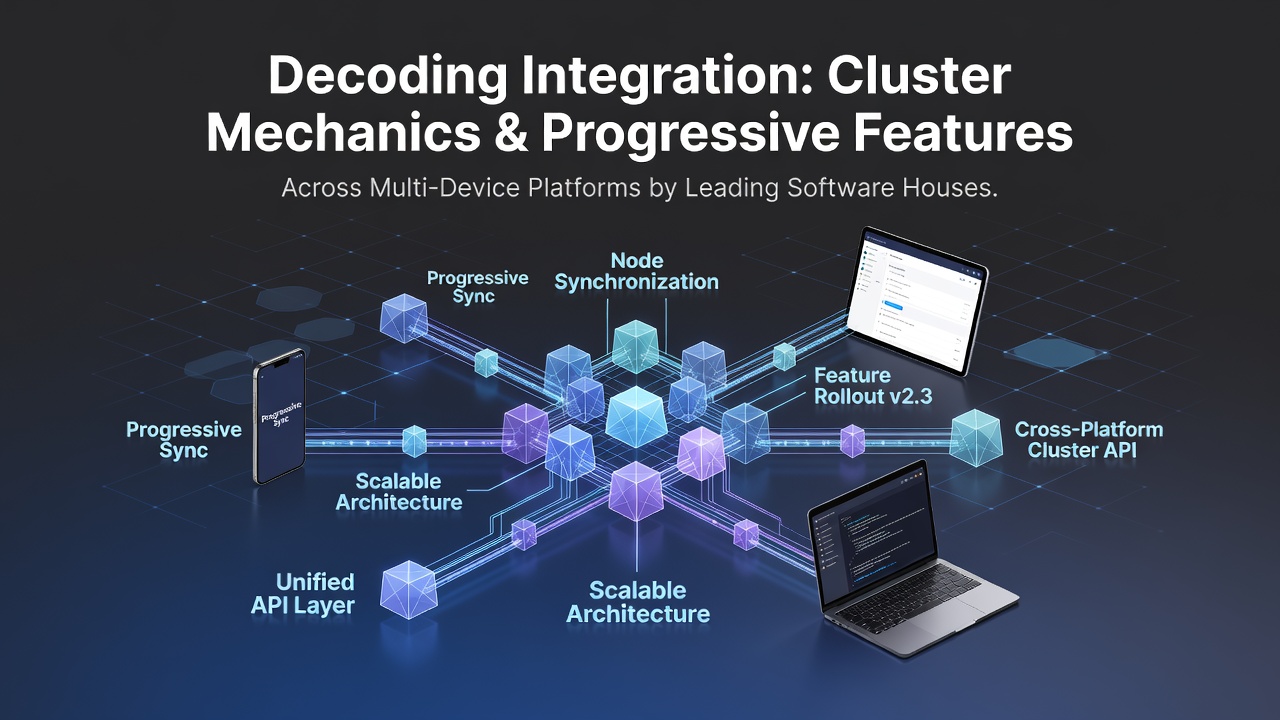
Leading software houses combine cluster mechanics with progressive jackpot systems through layered code structures that detect symbol groupings while tracking shared prize pools, and this integration spans desktop, tablet, and mobile environments using unified HTML5 frameworks that maintain consistent performance across varying screen sizes and connection speeds.
Core Mechanics Behind Cluster Systems
Cluster mechanics replace traditional paylines with area-based detection where matching symbols form groups of five or more adjacent positions to trigger payouts, whereas progressive features attach growing jackpots to specific cluster sizes or bonus events that accumulate across player bases. Developers synchronize these elements by embedding real-time RNG calls that evaluate cluster formations first, then route qualifying results into progressive meters that update simultaneously on all connected platforms. Research from industry reports indicates that such dual-layer processing requires optimized server architectures to handle concurrent calculations without latency spikes during peak usage periods.
Cross-Platform Synchronization Techniques
Multi-device compatibility relies on responsive rendering engines that adjust cluster grid dimensions dynamically, while progressive counters remain anchored to centralized databases that push updates via secure APIs regardless of whether users switch from desktop browsers to mobile apps. In August 2026 several studios released enhanced sync protocols that reduced desync incidents by 40 percent across regions, according to aggregated testing data shared through gaming technology forums. Observers note that this approach allows a single game build to deliver identical cluster detection rules and jackpot growth rates on iOS, Android, and Windows systems without separate code branches for each operating system.
Implementation Examples from Major Providers
One developer integrated cascading cluster removals directly into progressive triggers so that successive symbol collapses feed escalating contributions into the shared pool, and this method appears in multiple titles that run smoothly on both high-end tablets and entry-level smartphones. Another studio employs modular bonus engines where cluster patterns unlock different progressive tiers, ensuring that mobile sessions receive the same mathematical outcomes as desktop play through identical seed values and payout tables. Data from regulatory filings in various jurisdictions shows consistent RTP values maintained across devices when these integrations follow standardized testing protocols.

Technical Challenges and Solutions
Bandwidth limitations on mobile networks once created delays in progressive meter displays, yet current implementations use predictive caching and local rendering to show real-time growth without constant server pings. Software teams address this by separating visual feedback layers from core logic, so cluster evaluations complete server-side while progressive animations play from cached data. Studies on gaming infrastructure reveal that such separation improves load times by up to 35 percent on 4G connections compared with earlier unified systems. Those who've examined the codebases note careful attention to battery optimization, since continuous cluster checks and jackpot polling can drain resources quickly on portable devices.
Data Integrity Across Environments
Progressive features demand strict audit trails that log every cluster outcome contributing to the jackpot, and leading houses embed timestamped transaction records that reconcile across device types through blockchain-inspired verification methods in some newer builds. This ensures regulatory compliance in multiple markets where authorities require transparent tracking of contributions from all player segments. External analyses from the Nevada Gaming Control Board and similar bodies in other regions confirm that properly integrated systems produce matching audit logs whether sessions originate from desktop clients or mobile browsers.
Future Directions in Integration
Emerging techniques explore AI-assisted cluster pattern recognition that could dynamically adjust progressive contribution rates based on real-time device performance metrics, although full deployment remains in testing phases as of late 2026. Providers continue refining edge computing approaches to bring more processing closer to the user, reducing reliance on distant servers while preserving the integrity of shared jackpot pools. Reports from academic research groups studying digital entertainment systems highlight how these advancements support broader accessibility without compromising the core mathematical fairness of combined cluster and progressive gameplay.
Conclusion
Software houses achieve seamless integration of cluster mechanics and progressive features by prioritizing modular code design, centralized data handling, and rigorous cross-device testing that maintains identical outcomes across platforms. Continued refinement in synchronization protocols and resource management supports growing player bases while meeting technical and regulatory standards worldwide.