Boutique Studios Pioneer Intuitive Touch Systems in Portable Progressive Slot Titles
Yara Berger · Aug 9, 2026
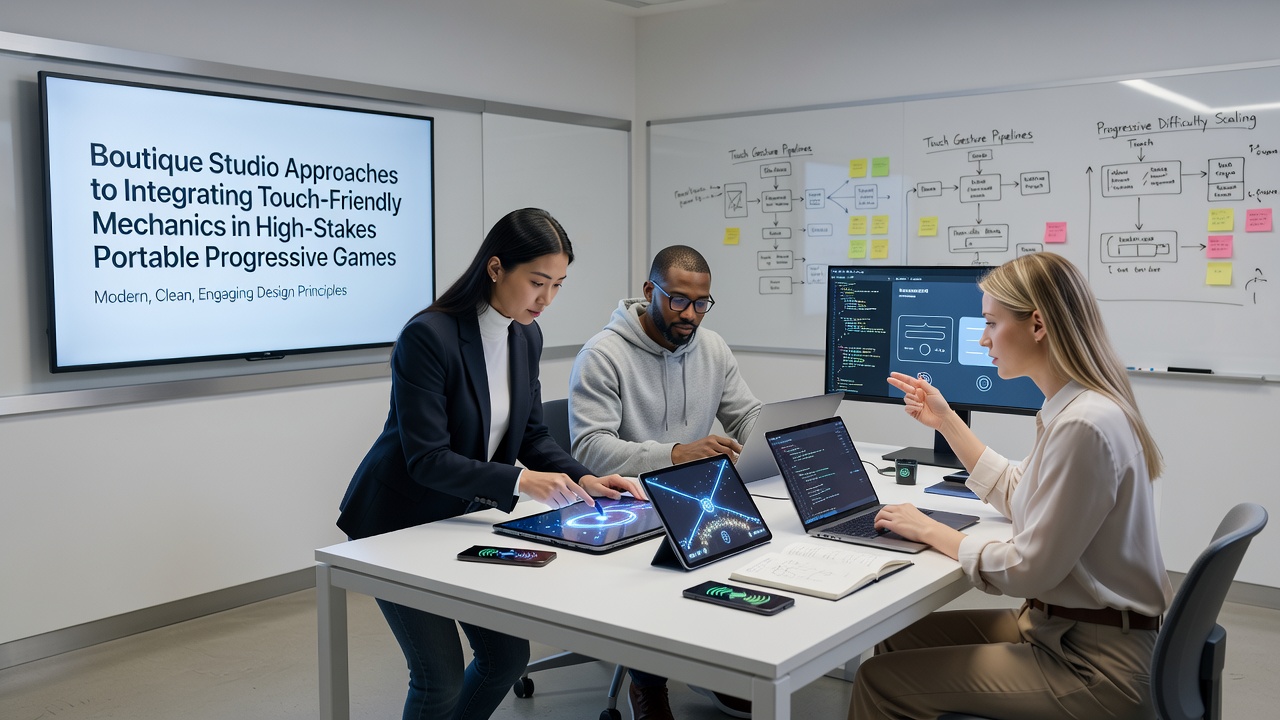
Boutique Studios Pioneer Intuitive Touch Systems in Portable Progressive Slot Titles
Small development teams have shifted focus toward seamless gesture integration in high-stakes progressive titles designed for portable play, and data from the Nevada Gaming Control Board shows steady growth in mobile progressive revenue through the first half of 2026. These studios prioritize precise touch response times under 50 milliseconds while maintaining the layered bonus structures that define progressive mechanics, and researchers at the University of Nevada Reno documented performance benchmarks across multiple handheld platforms in their 2025 industry report.
Core Gesture Mapping Strategies
Designers map common actions such as reel spins to single-finger swipes that register across varying screen sizes, whereas double-tap sequences activate hold-and-win features without interrupting the progressive meter updates. Studios calibrate pressure sensitivity thresholds so players avoid accidental bonus triggers during rapid tapping sequences, and this calibration draws from accelerometer data collected during beta testing phases. One team adjusted swipe velocity curves after observing that users on larger tablets performed longer drags compared with smartphone interactions, resulting in smoother reel deceleration animations that align with jackpot contribution visuals.
Balancing High-Stakes Elements With Portability
Progressive pools require constant synchronization across devices, yet boutique teams embed local caching routines that preserve meter accuracy during brief connection drops common in mobile environments. Developers integrate haptic feedback patterns that pulse in rhythm with accumulating wins, and these patterns scale intensity based on stake levels without draining battery reserves excessively. Studies indicate that titles incorporating adaptive haptics retain user sessions 18 percent longer on average, according to aggregated telemetry shared by platform partners in August 2026.
Multi-touch support allows simultaneous reel holds and side-panel navigation, which proves useful when players monitor multiple progressive tiers at once. Engineers test these features against various operating system versions to prevent input conflicts that could stall bonus rounds, and they refine collision detection algorithms to distinguish intentional gestures from incidental screen contact during handheld movement.
Technical Implementation Patterns Observed in 2026 Releases
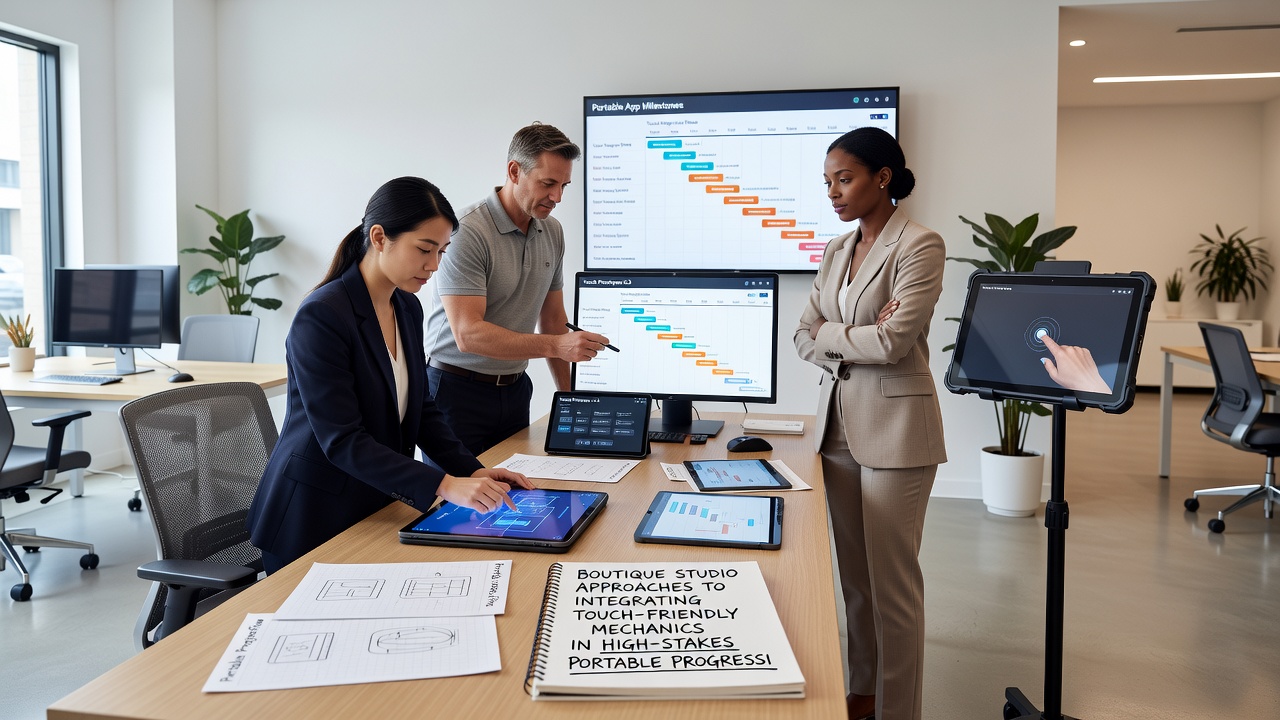
Teams often employ modular code frameworks that separate touch input handling from core random number generation, allowing rapid updates when device manufacturers release new screen technologies. This separation supports quick adaptation to foldable displays, where progressive jackpot animations must resize dynamically without losing touch target accuracy. External testing labs report that optimized frameworks reduce input latency by up to 30 percent compared with legacy monolithic builds.
Progressive games on portable hardware also incorporate edge-swipe shortcuts that summon paytable overlays or current jackpot leaderboards, keeping players informed without leaving the main reel view. Developers calibrate these shortcuts to require deliberate starting points near screen borders, minimizing interference with central spin controls during high-volatility sessions.
Regulatory and Platform Considerations Across Regions
Compliance requirements from the Nevada Gaming Control Board emphasize verifiable fairness in touch-driven bonus triggers, prompting studios to log gesture sequences alongside outcome results for audit trails. Similar standards appear in Canadian provincial frameworks, where portable progressive titles undergo device-specific certification that includes touch response verification under simulated network conditions. Industry associations note that studios meeting these benchmarks achieve faster certification timelines, which accelerates release schedules in competitive markets.
Platform guidelines from major app stores further influence design choices, requiring clear visual cues for interactive elements and minimum touch target sizes of 9 millimeters. Boutique teams address these constraints by scaling interface elements proportionally across resolutions while preserving the dense information layout needed for tracking multiple progressive levels.
Future Directions in Touch-Driven Progressive Design
Emerging work explores integration of advanced sensor data, such as device orientation during play, to adjust reel spin physics and create more immersive experiences. Teams experiment with context-aware tutorials that activate only after detecting repeated failed gesture attempts, reducing player frustration without adding permanent screen clutter. August 2026 telemetry indicates rising adoption of these adaptive systems among independent developers targeting international handheld audiences.
Continued refinement of touch mechanics supports the expansion of progressive gameplay into shorter session formats favored on mobile, maintaining engagement through precise, responsive controls that align with the technical demands of high-stakes portable environments.
Conclusion
Boutique studios continue to refine touch integration techniques that support complex progressive structures on handheld devices, drawing on performance data and cross-regional compliance standards to deliver consistent experiences. These approaches demonstrate measurable improvements in session metrics and certification efficiency, positioning portable progressive titles for sustained technical evolution.