Cluster Mechanics Reshape Returns for Boutique Mobile Slot Launches
Viktor Hughes · Jul 3, 2026

Cluster Mechanics Reshape Returns for Boutique Mobile Slot Launches
Cluster mechanics operate by awarding wins when matching symbols appear in adjacent groups rather than along fixed paylines, and this approach has gained traction among boutique studios developing mobile-first releases throughout 2026. Developers create these systems to align with touchscreen interactions, where players tap and swipe across compact screens while symbols form clusters that trigger cascading replacements or multiplier effects. Research from academic institutions indicates that such mechanics increase session duration because the visual feedback loop encourages continued spins without requiring traditional line selections.
Core Components of Cluster Systems in Mobile Environments
Boutique studios integrate grid sizes typically ranging from five by five to eight by eight, with cluster thresholds set between five and nine identical symbols for base payouts. These configurations allow symbols to connect horizontally and vertically, sometimes diagonally depending on the title's ruleset, while additional features like wild substitutions expand clusters dynamically during play. Data from industry reports shows mobile devices now account for over seventy percent of slot engagement in several markets, prompting smaller developers to prioritize responsive designs that maintain cluster visibility on varying screen resolutions.
Engineers at independent studios often pair cluster detection with tumble or cascade sequences, where winning groups disappear and new symbols fall into place to form fresh combinations within the same spin. This process repeats until no further clusters form, multiplying potential returns through chained events that traditional payline structures rarely replicate at the same frequency. Observers note that July 2026 releases from several boutique providers incorporated enhanced cluster algorithms that adjust payout probabilities based on real-time player patterns without altering overall return-to-player percentages.
Performance Metrics and Return Optimization
Studies conducted by research groups at European universities have examined how cluster mechanics influence hit frequency compared with classic reel formats. Results demonstrate elevated hit rates because multiple symbol connections can occur simultaneously across the grid, leading to more frequent small wins that sustain bankrolls during extended mobile sessions. Boutique studios leverage this characteristic to position their titles as high-engagement options, where players experience steady feedback rather than waiting for aligned paylines.
Return calculations in cluster-based games incorporate both base cluster values and any attached multipliers or bonus triggers, with providers publishing verified RTP figures that range from ninety-four to ninety-seven percent across recent catalogs. Those figures reveal consistent performance when studios optimize cluster density and symbol distribution to balance volatility levels suitable for mobile play. One analysis from a Canadian research consortium highlighted that titles using cluster systems retained player interest longer than equivalent payline games, translating into higher cumulative returns for operators hosting the content.
Implementation Strategies Among Boutique Developers
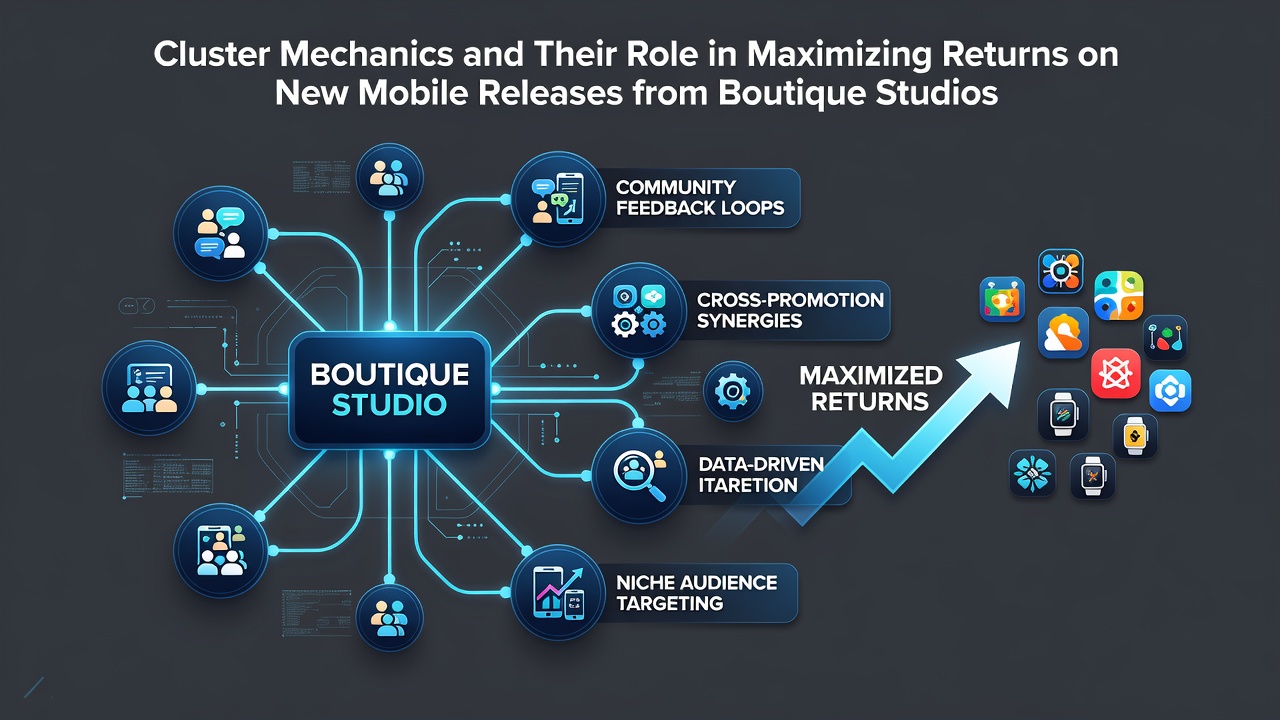
Smaller studios distinguish their mobile releases by layering cluster mechanics with unique modifiers such as symbol transformations or expanding wilds that activate only after initial clusters form. These additions create layered outcomes where a single spin generates multiple payout opportunities, and developers test iterations extensively on various devices to ensure smooth rendering. Figures from gaming association publications indicate that boutique output now represents a growing share of new mobile titles, with cluster mechanics featured in approximately thirty-five percent of launches during the first half of 2026.
Integration with progressive jackpot systems further enhances return potential, as cluster formations can feed into shared prize pools when specific symbol counts are reached. Developers coordinate with platform providers to embed these features seamlessly, allowing jackpots to trigger across multiple cluster events within rapid succession. Australian regulatory data on digital gaming trends shows increased adoption of such hybrid models among independent creators seeking differentiation in crowded app marketplaces.
Technical Considerations for Mobile Optimization
Programming cluster detection requires efficient algorithms that scan grids rapidly to identify connected groups without introducing latency on mid-range smartphones. Boutique teams employ lightweight code structures that prioritize quick visual updates, ensuring cascades animate fluidly even when network conditions vary. This technical focus supports consistent gameplay loops that maximize perceived value per spin, as players witness immediate results from cluster resolutions.
Sound design and particle effects accompany cluster formations to reinforce winning moments, with studios calibrating audio cues to match mobile speaker capabilities. Data collected through playtesting sessions guides adjustments to symbol weights adn cluster sizes, maintaining mathematical integrity while delivering engaging sequences. External analyses from North American gaming research bodies confirm that optimized cluster implementations correlate with improved retention metrics across demographic groups accessing content via tablets and phones.
Conclusion
Cluster mechanics continue to influence how boutique studios structure mobile slot releases by emphasizing connected symbol groups that drive repeated interactions and chained outcomes. Performance data from multiple regions demonstrates measurable impacts on engagement duration and payout frequency, supporting their role in return calculations for both players and operators. As development tools evolve, these systems are expected to appear in additional titles scheduled for later 2026 cycles, with ongoing refinements aimed at grid scalability and feature integration.