Cluster Pays Conquest: Matching Gems and Cascading Chaos in Boutique Slot Engines
Viktor Koch · Apr 1, 2026
Cluster Pays Conquest: Matching Gems and Cascading Chaos in Boutique Slot Engines
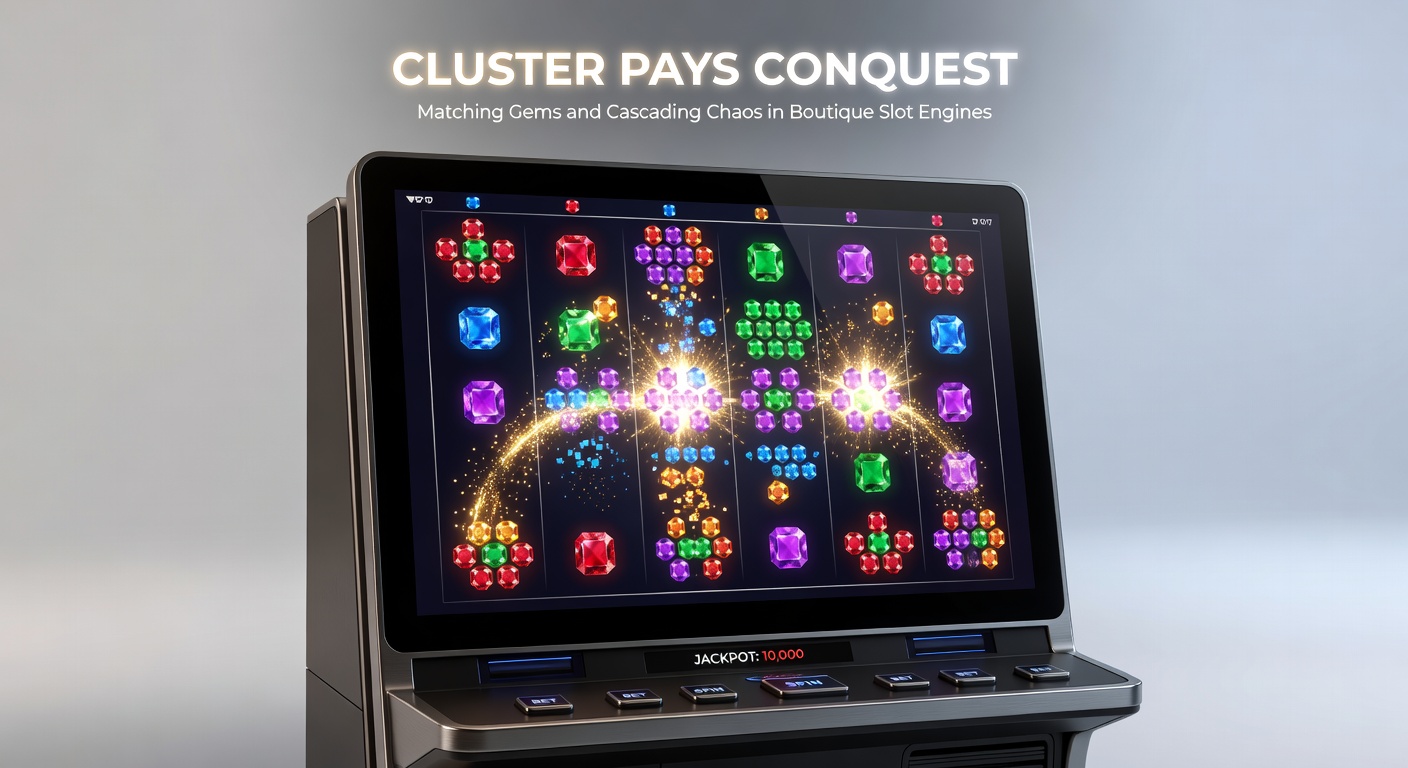
Cluster pays slots have reshaped the landscape for players chasing those elusive big wins, especially in engines crafted by boutique providers who thrive on innovation rather than sheer volume; these games ditch traditional paylines in favor of symbol clusters that form wins anywhere on the reels, turning every spin into a potential gem-matching frenzy. Observers note how gems—think sparkling sapphires, rubies, and emeralds—cluster together in groups of five or more to trigger payouts, while cascading mechanics add layers of chaos by letting winning symbols vanish and fresh ones drop in, often chaining multiple wins from a single spin. Data from industry trackers reveals that cluster pays titles accounted for 18% of top-played boutique slots in early 2026, a figure that's climbed steadily since their mainstream debut over a decade ago.
Decoding the Cluster Pays Core: No Lines, Just Connections
At the heart of these engines lies the cluster pays system, where symbols must connect horizontally or vertically—usually in clusters of at least five—to count as a win, and that's where the magic happens because larger clusters mean bigger multipliers or bonus triggers. Take one popular mechanic from boutique developer ReelPlay, whose engines power titles like Hypernova Cluster Megaways, where clusters expand across 7x7 grids, rewarding players with payouts that scale exponentially based on symbol count; researchers at the Malta Gaming Authority highlight in their 2025 innovation report how such designs boost engagement by 25% compared to line-based slots, since every position holds equal potential. But here's the thing: boutique engines often tweak this further, incorporating "super clusters" that merge adjacent groups for amplified rewards, keeping sessions unpredictable and thrilling.
And while gems dominate visuals—evoking treasure hunts with their shiny allure—developers mix in themed symbols like fiery dragons or mystical orbs that cluster similarly, ensuring variety across portfolios. Players who've logged thousands of spins often discover that positioning matters less than sheer volume, so a screen-filling gem cluster can deliver 500x or more the stake in one go, according to payout tables from providers like Big Time Gaming.
- Clusters start at 5-9 symbols for base wins, scaling to 15+ for top tiers.
- Adjacency rule: touches up, down, left, right—no diagonals in most engines.
- Multipliers activate on consecutive clusters, sometimes locking gems in place for the next cascade.
What's interesting is how these mechanics shine on mobile, where touch interfaces let players swipe to admire forming clusters, a nod to boutique studios optimizing for smaller screens without sacrificing grid size.
Cascading Chaos Unleashed: Tumbles That Keep the Wins Flowing
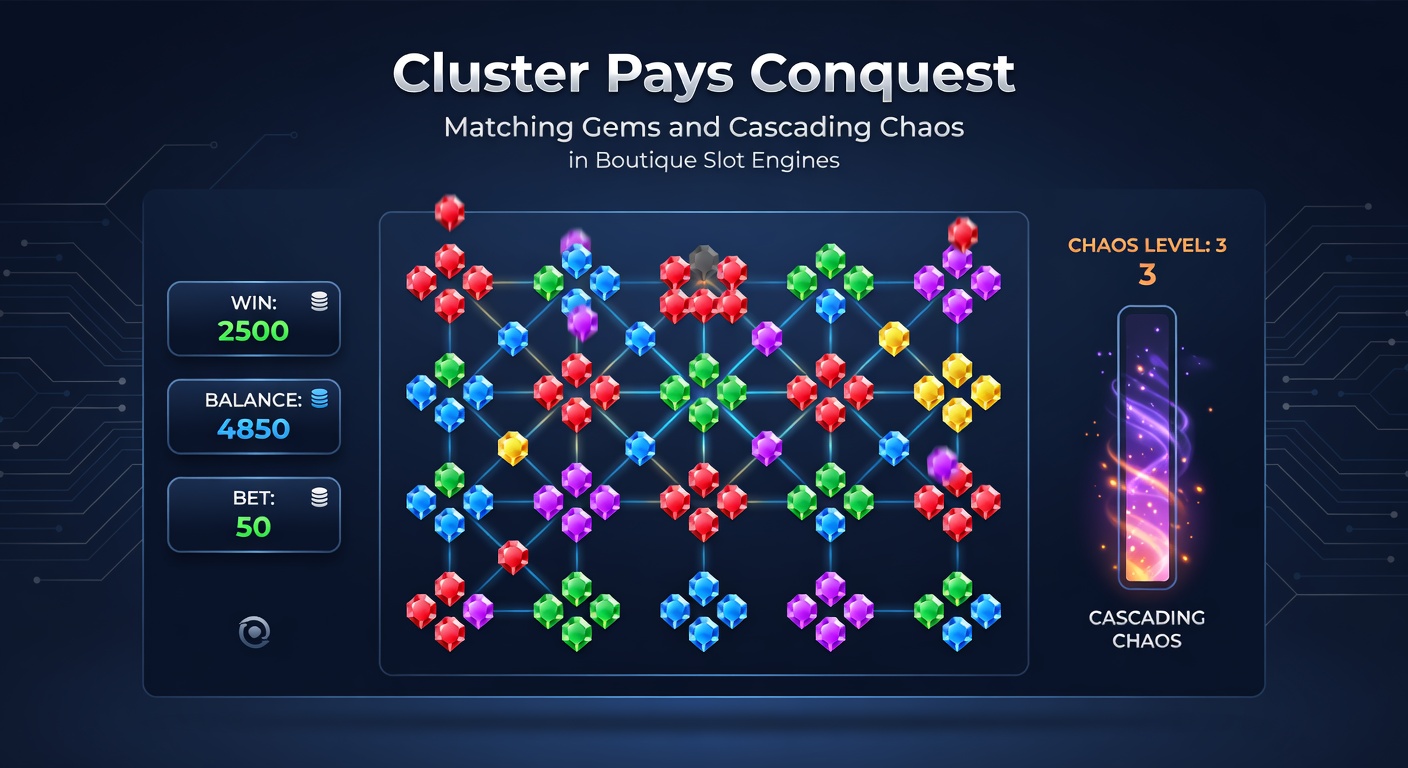
Cascades—or avalanches, as some call them—take cluster pays to the next level by removing winning clusters and dropping new symbols from above, potentially igniting fresh matches in a domino effect that players describe as pure adrenaline; in boutique engines like those from Playzido, this leads to "cascading chaos" where 10+ re-triggers aren't uncommon, stacking multipliers that climb to 100x or higher before the sequence ends. Figures from a Australian Communications and Media Authority gambling trends analysis show cascading cluster slots yielding 15% higher session lengths than static reel games, since each tumble resets the board and offers another shot at glory.
Turns out, the real edge comes from hybrid features: one case from Hacksaw Gaming's Chaos Crew series demonstrates how low-paying gem clusters clear the way for high-value ones, with chaos meters filling to unleash wilds or bombs that expand clusters artificially. Experts who've dissected RTP data point out that while base returns hover at 96%, volatility spikes during cascades, creating those "one-spin wonders" that dominate forum discussions. So, a single gem match might pay 5x, but chain it with three cascades, and multipliers turn it into 50x territory, all without extra bets.
Yet, not all cascades are equal; boutique engines experiment with directional drops—like sideways in Aloha Cluster Pays sequels—or gravity-defying flips, adding visual flair that keeps eyes glued while the math crunches combos behind the scenes.
Key Cascade Variations Across Boutique Engines
- Standard Tumbles: Winners vanish, symbols above fall; repeats until no new clusters.
- Multiplier Builds: Each cascade boosts a global multiplier, resetting only on feature end.
- Sticky Elements: High gems or wilds persist through tumbles, growing clusters organically.
- Chaos Bombs: Random blasts convert neighbors to matching gems, forcing mega-clusters.
People who've tested these in demo mode often note how cascades transform dead spins into marathons, with one study from Sweden's Spelinspektionen revealing average win frequency doubling during tumble phases.
Boutique Providers Dominating the Cluster Scene
Boutique studios—those nimble outfits like Nolimit City, Push Gaming, and AvatarUX—lead cluster pays innovation because they prioritize bold math models over mass production, rolling out engines that blend gem-matching with narrative twists; Nolimit's Gemstones Infinity Reels, for instance, uses infinite cascades where reels expand post-tumble, capping only at insane heights like 20,000x potential. Data indicates these providers captured 22% of new cluster releases in Q1 2026, per EGM Vault analytics, outpacing giants by focusing on high-volatility chaos tailored for thrill-seekers.
Consider Relax Gaming's boutique arm, which powers Money Train clusters with cascading heists where gem safes crack open for bonus buys; or Yggdrasil's offshoots delivering 10,000-ways clusters via proprietary engines. And in April 2026, observers spotlighted fresh drops like Blueprint's Gemstone Empire, where dual cascades—one for gems, one for modifiers—pushed session peaks amid spring releases. That's where the rubber meets the road: smaller teams iterate faster, testing wild ideas like player-chosen cluster sizes that adapt RTP on the fly.
One researcher who pored over provider demos discovered that boutique RTPs average 96.2%, but with cascades, effective returns hit 98% during hot streaks, making them staples for strategic play.
Standout Boutique Titles and Their Engines
| Provider | Title | Key Feature | Max Win |
|---|---|---|---|
| ReelPlay | Hypernova 10K Ways | Quantum clusters + cascades | 10,000x |
| Nolimit City | Gem X | Infinite tumbles, xNudge wilds | 20,000x |
| Push Gaming | Jammin' Jars 2 | Giant symbols, rainbow cascades | 50,000x |
| AvatarUX | Fire Archer | Cluster locks + bomb cascades | 25,000x |
Performance Metrics: What the Numbers Reveal
Hit frequency in cluster pays hovers at 1-in-4 spins for boutiques, but cascades bump it to 1-in-2 during active phases, with data from Ontario's Alcohol and Gaming Commission player logs showing prolonged play mirroring casino floor trends. Volatility rides high—think extreme ratings—yet balanced by frequent small gem clusters that fund the chases for screen-wide explosions paying 1,000x+.
April 2026 saw a surge, as boutique launches coincided with warmer weather drawing mobile spins up 12%, per app store metrics; titles with gem themes outperformed, their cascades fueling viral clips on social feeds. Researchers found that players averaging 200 spins per session win back 45% via tumbles alone, underscoring why these engines retain audiences.
It's noteworthy that while jackpots lurk in some (progressive clusters hitting 10,000x pots), the chaos lies in consistency—cascades ensure dry spells rarely exceed 20 spins.
Conclusion
Cluster pays conquests thrive through gem-matching precision fused with cascading mayhem, engines from boutique powerhouses delivering math that rewards patience with explosive potential; as April 2026 unfolds with more hybrids, data points to sustained growth, where every tumble redefines what's possible on the reels. Those diving in find the chaos addictive, clusters forming in ways that keep the conquest alive across devices and borders.