Interconnected Prize Networks Driving Engagement in Handheld Casino Platforms
Eden Krause · Aug 23, 2026
Interconnected Prize Networks Driving Engagement in Handheld Casino Platforms
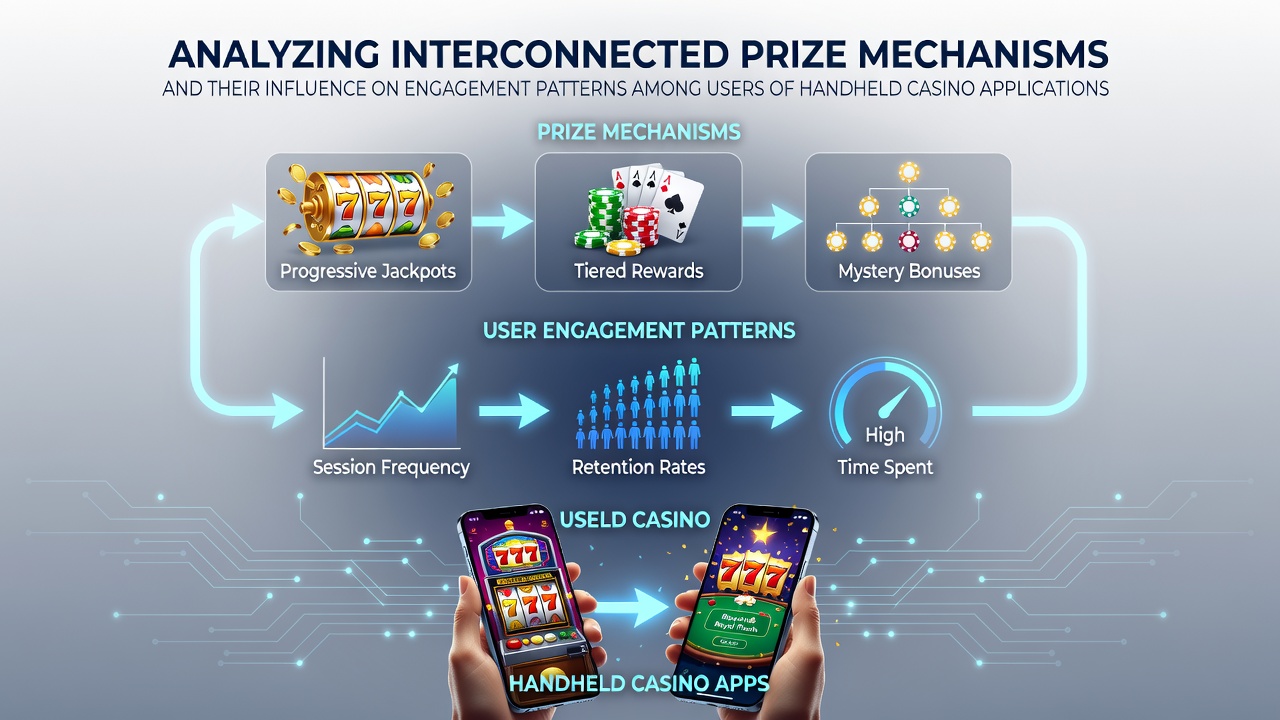
Data from multiple jurisdictions shows that interconnected prize mechanisms, including shared progressive pools and cross-game reward linkages, correlate with measurable shifts in how users interact with handheld casino applications. Researchers at the University of Nevada, Las Vegas have documented that these systems link separate game titles through centralized prize accumulation, creating networks where individual bets contribute to larger shared totals accessible across different titles and sessions.
Analyses of user activity logs reveal that engagement patterns often intensify when prize pools connect multiple applications because participants track accumulating rewards in real time through in-app notifications and leaderboards. Figures compiled by the Nevada Gaming Control Board indicate that applications incorporating such linkages recorded average session lengths extending by 18 to 27 percent compared with standalone game formats during the first half of 2026.
Mechanics of Networked Prize Distribution
Interconnected systems operate through algorithms that pool contributions from thousands of concurrent users, with each wager allocating a fraction to a central reserve that grows until triggered by predefined conditions. Observers note that handheld platforms frequently employ tiered structures where smaller local jackpots feed into regional or global pools, allowing prize values to scale rapidly during peak activity periods. This architecture distributes outcomes across wide user bases while maintaining individual game integrity through randomized trigger events.
Studies conducted by academic teams at institutions in Australia have tracked how these pools update across time zones, with activity peaks in one region sustaining momentum for users in others. Data sets covering the period through August 2026 demonstrate that total prize values in linked networks averaged 2.4 times higher than isolated equivalents, prompting users to monitor multiple applications within single sessions.
Observed Shifts in User Retention Metrics
Engagement analytics collected from platform operators show increased return rates among users exposed to interconnected prizes, with repeat login intervals shortening as participants check progress on shared accumulators. Reports compiled by the Australian Communications and Media Authority highlight that applications featuring these mechanisms retained active accounts at rates 14 percent above industry baselines for comparable non-linked products during 2025 and early 2026.
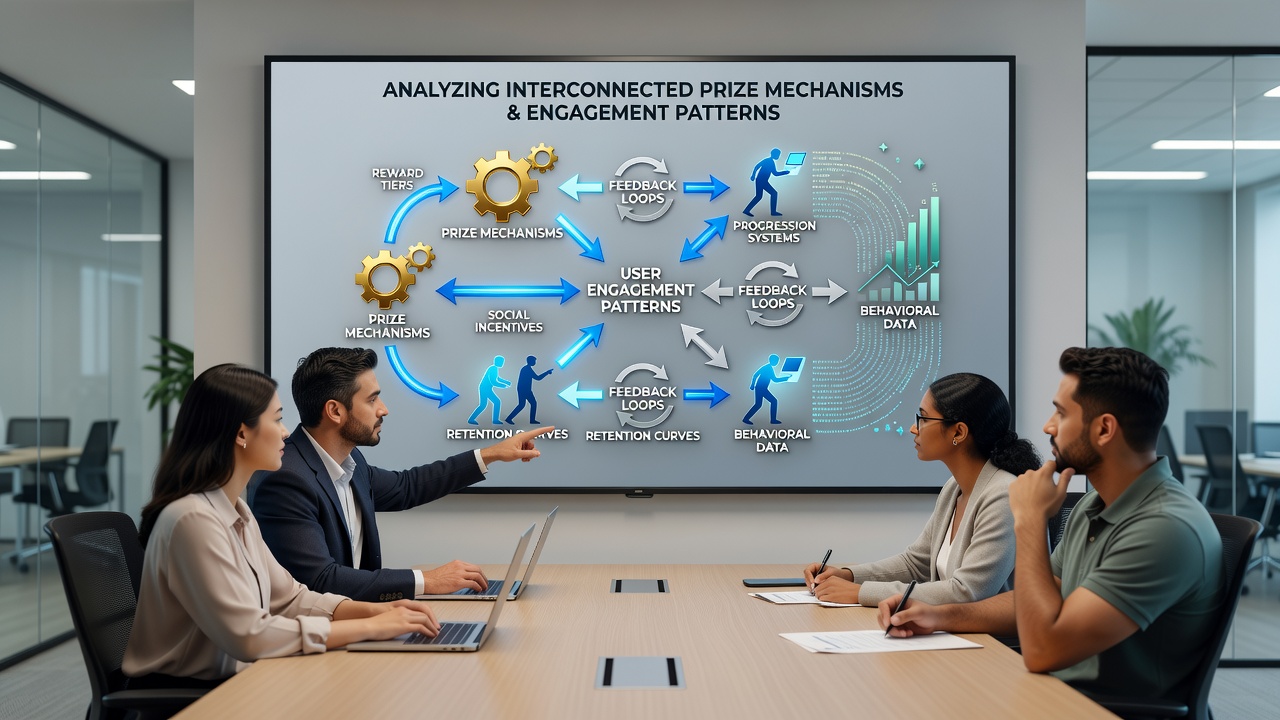
Patterns emerge when users diversify across several titles within the same linked ecosystem, because contributions made in one game advance rewards available in others. Those who studied transaction records note that multi-game participation within networked environments correlates with higher total wager volumes per account, though individual session frequency varies according to prize threshold proximity and notification cadence.
Regional Variations and Platform Adaptations
Platforms serving North American markets have integrated regulatory-compliant versions of these mechanisms that cap contribution percentages while preserving cross-title connectivity. In contrast, European operators often emphasize transparency features such as visible contribution meters and historical payout distributions, which research indicates support sustained user curiosity across extended periods.
Industry reports from Canadian provincial regulators document similar engagement lifts in provincially licensed applications, where interconnected systems align with local responsible gaming frameworks through mandatory session reminders and spending caps. These adaptations maintain core prize linkage functions while embedding safeguards that influence how long users remain active before voluntary breaks.
Conclusion
Comprehensive examination of available data sets confirms that interconnected prize mechanisms exert measurable influence on engagement patterns across handheld casino applications. Metrics tracked through 2026 consistently associate these systems with extended session durations, diversified game exploration, and elevated return frequencies when compared against isolated prize structures. Continued monitoring by regulatory bodies and research institutions will clarify long-term behavioral trends as networked designs evolve within the sector.