Mapping Bonus Layer Interactions in Platforms Using Multiple Game Suppliers
Eden Krause · Jul 19, 2026
Mapping Bonus Layer Interactions in Platforms Using Multiple Game Suppliers
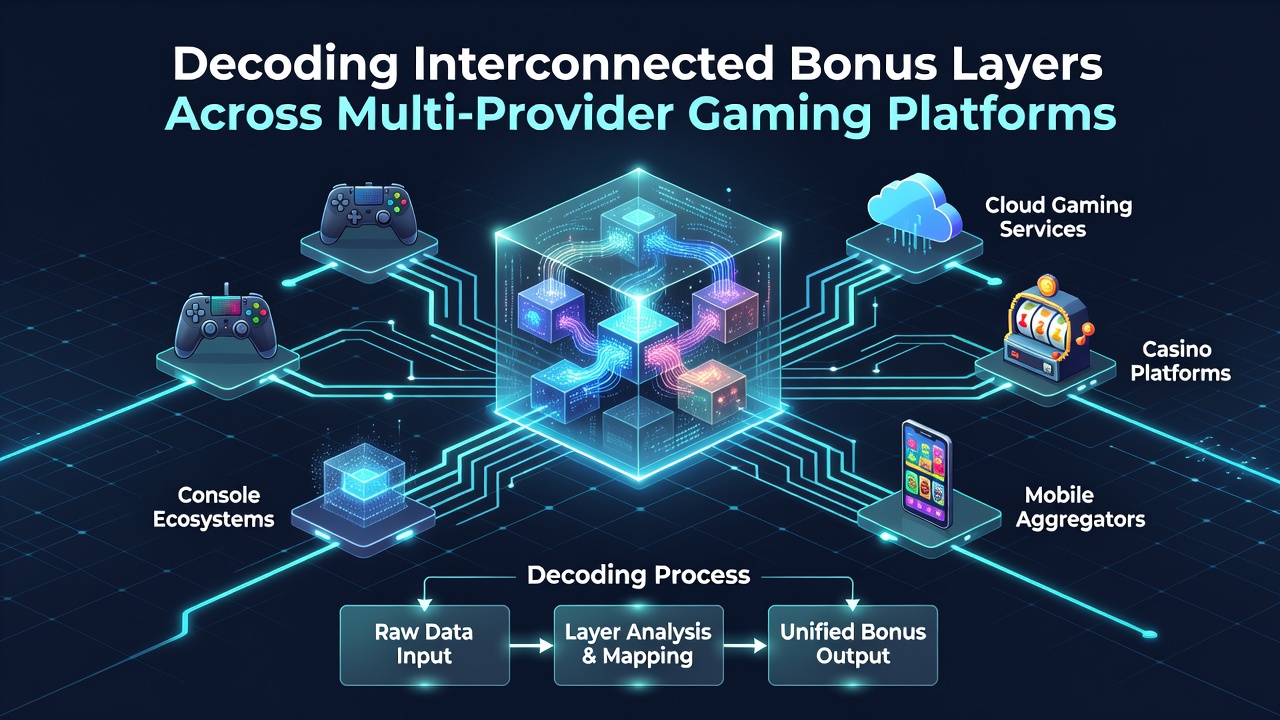
Multi-provider gaming platforms integrate bonus systems from various suppliers through shared APIs and centralized player accounts, which allows features like free spins, multipliers, and progressive elements to function across titles from different developers. Research from industry reports shows these connections rely on standardized data protocols that track player progress in real time, combining contributions from each provider's mechanics into unified reward structures.
Core Components of Bonus Integration
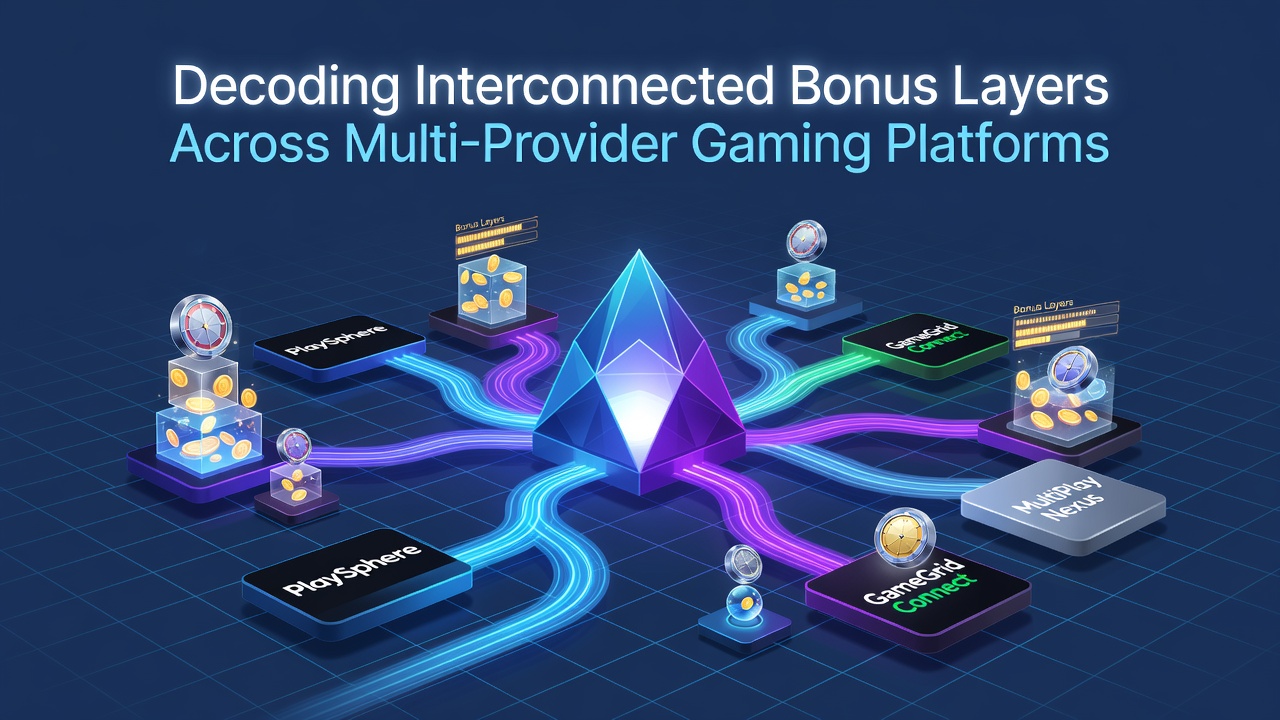
Each supplier maintains its own bonus architecture, yet platforms link these through middleware that synchronizes triggers and payouts. One study from the University of Nevada's gaming research division found that integration layers handle RTP adjustments by pooling data from separate game engines, ensuring the overall return percentages align with regulatory requirements in multiple jurisdictions. Players encounter these layers when a bonus round in a NetEnt title activates elements from a Playtech feature, for instance, because the platform routes the session data accordingly.
Observers note that July 2026 marks the rollout of updated interoperability standards by several North American operators, which will require providers to expose more granular bonus metadata for seamless stacking. This change builds on existing frameworks already used in European and Australian markets, where data indicates higher player retention rates when cross-provider bonuses activate without manual intervention.
Technical Mechanisms Behind Layered Rewards
Bonus layers operate through event listeners that monitor base game outcomes and feed results into a central bonus engine. According to figures from the European Gaming and Betting Association, platforms process over 1.2 billion such events daily across multi-vendor setups, with the engine calculating combined multipliers and awarding prizes based on predefined rulesets. These calculations account for volatility differences between suppliers, adjusting distributions so that high-variance games from one provider balance with steadier mechanics from another.
Take the case documented in a 2025 technical paper from the International Centre for Gaming Regulation in Canada, where researchers tracked how a single player session accumulated free spins from three distinct providers. The platform's aggregation layer converted each provider's spin values into a common currency, enabling the user to deploy them interchangeably during subsequent play. This process relies on encrypted token exchanges that prevent tampering while maintaining audit trails for compliance teams.
Player Experience Across Supplier Boundaries
Users navigating these systems often see unified progress bars and shared leaderboards that draw from every connected title, which creates continuity even when switching between game libraries. Data from the Australian Interactive Gambling Regulator reveals that platforms employing full layer integration report average session lengths extending by 18 percent compared to siloed setups. The increase stems from the ability to carry bonus states forward, reducing the friction of starting over with each new provider's game.
What's interesting here is how loyalty programs tie into these layers. Points earned in one supplier's high-volatility slot feed directly into bonus eligibility for titles from competitors, because the platform normalizes contribution rates through weighted formulas. Experts at the Nevada Gaming Control Board have documented similar patterns in regulated US markets, where such cross-pollination supports responsible play tools by capping total bonus exposure per account.
Challenges in Maintaining Consistent Mechanics
Discrepancies arise when providers update their bonus algorithms independently, forcing platforms to recalibrate integration points. Industry analyses indicate that testing cycles for these updates average four to six weeks, during which operators monitor for payout anomalies using simulated player cohorts. The reality is that incomplete synchronization can lead to bonus triggers failing to register across layers, prompting developers to adopt more robust versioning controls.
Yet the trend toward deeper interconnection continues, with several major platforms announcing expanded partnerships in 2026 that will incorporate emerging suppliers from Asian markets. These additions introduce new bonus types, such as region-specific multipliers, which the central engines must map onto existing frameworks without disrupting established RTP balances.
Conclusion
Interconnected bonus layers across multi-provider platforms depend on precise data synchronization and standardized protocols that unify diverse supplier mechanics into coherent player pathways. Figures from regulatory bodies and academic sources confirm these systems enhance session continuity while supporting compliance across regions. As updates roll out through 2026, the underlying architectures will likely accommodate further supplier diversity, maintaining the core principle of aggregated reward tracking.