Mobile Engagement Strategies: Adapted Slot Engine Designs for Concise Play Periods
Wendy Walter · May 29, 2026
Mobile Engagement Strategies: Adapted Slot Engine Designs for Concise Play Periods
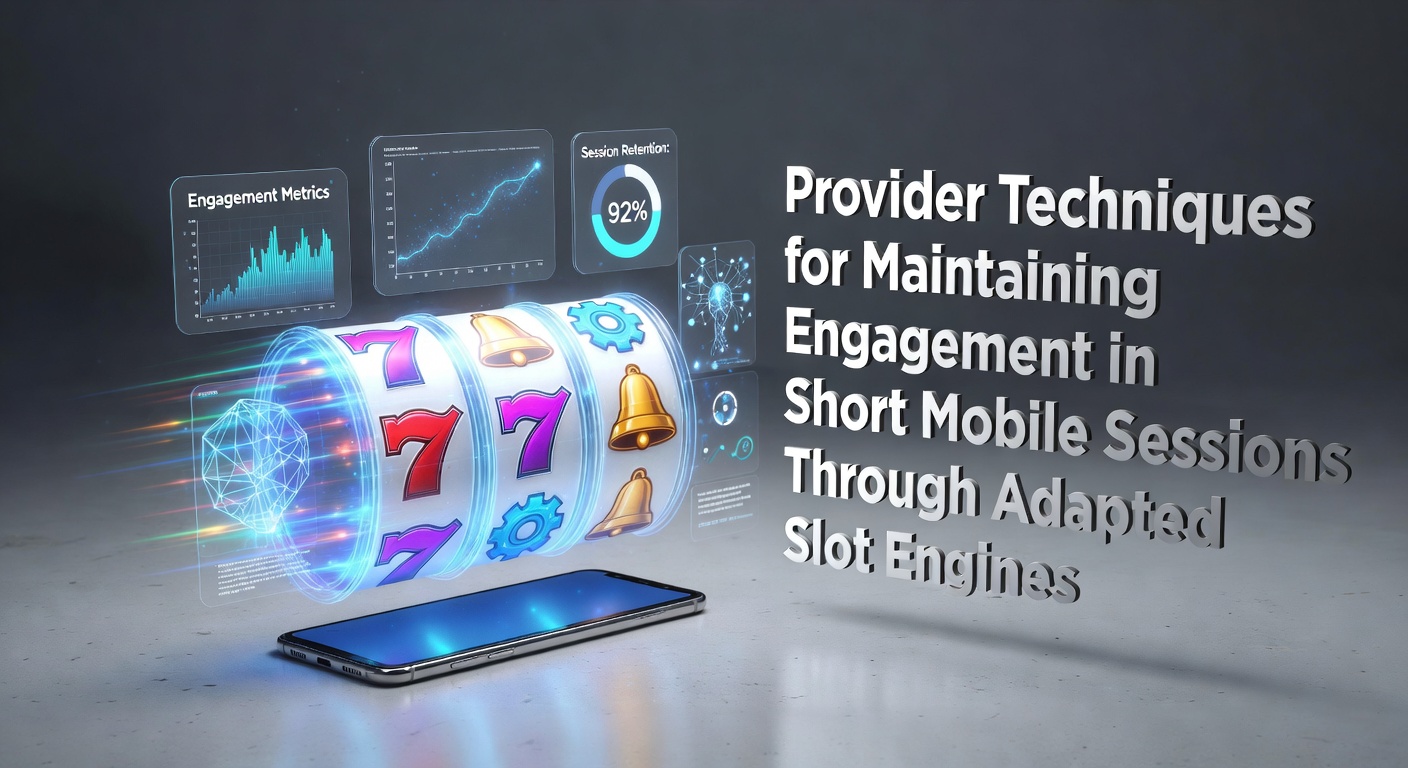
Slot providers have refined engine architectures to align with observed patterns in mobile usage where sessions often last under five minutes according to industry usage metrics and these adaptations focus on rapid initialization sequences combined with modular feature sets that deliver value without requiring extended commitment. Research from the American Gaming Association indicates that players frequently engage during commutes or brief breaks which has prompted developers to prioritize lightweight code structures and pre-cached asset loading to minimize wait times before the first reel spin.
Core Engine Modifications for Speed and Accessibility
Adapted slot engines incorporate streamlined random number generator calls and simplified animation pipelines that execute within fractions of a second yet maintain regulatory compliance standards set by various oversight bodies. Providers integrate optional turbo modes that compress spin cycles while preserving payout integrity and these options appear as toggleable settings rather than default behaviors to accommodate different player preferences. Observers note that such modifications allow the core gameplay loop to complete multiple rounds before typical session drop-off points occur.
Feature Fragmentation and Micro-Progression Systems
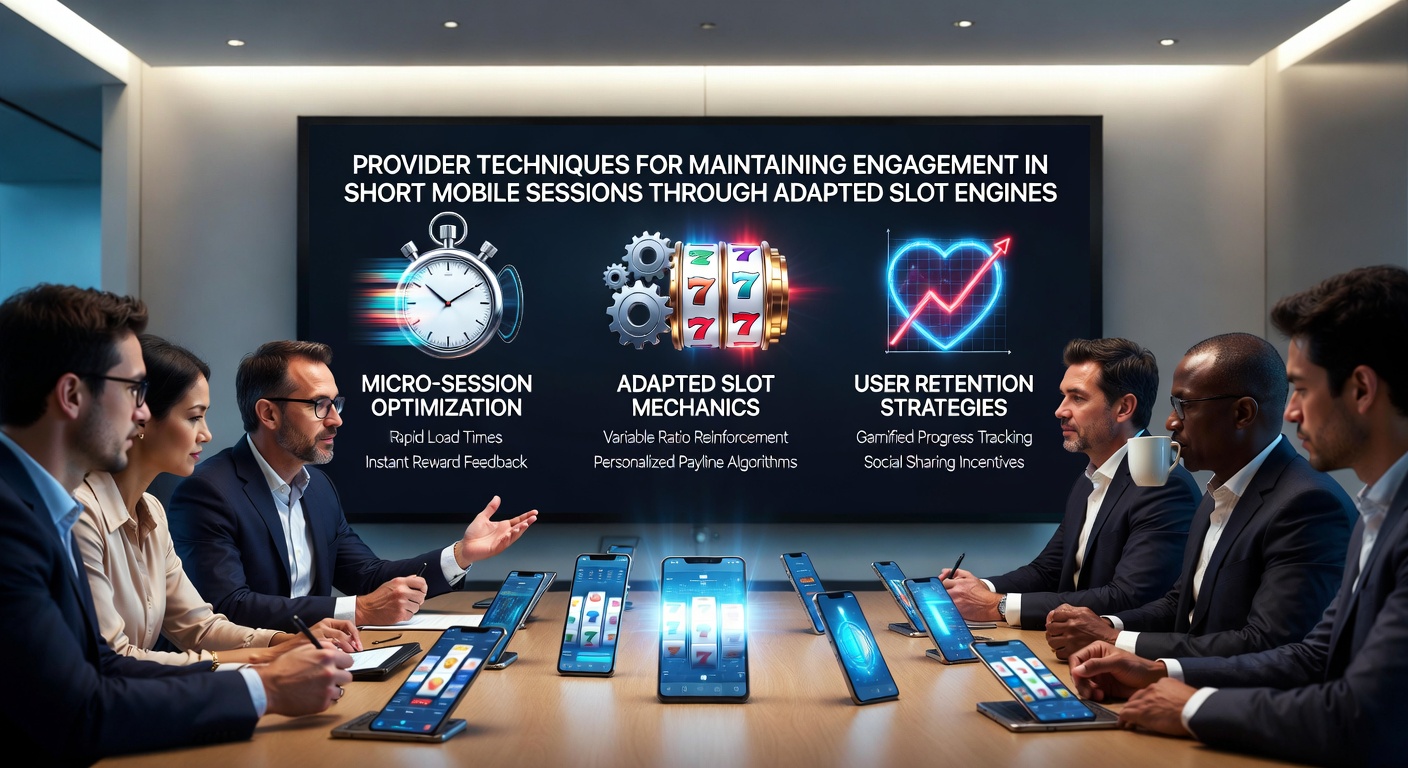
Instead of lengthy bonus rounds that demand sustained attention many engines now deploy fragmented collectibles and incremental multipliers that accumulate across separate short visits. Data shows these systems track progress server-side so users resume exactly where they left off even after closing the application and this continuity encourages return visits without pressuring users to finish a single extended sequence. Researchers have documented increased session frequency when micro-progression elements replace traditional long-form narratives in mobile-optimized titles.
Data-Driven Personalization Layers
Providers deploy adaptive algorithms that analyze individual play duration trends and adjust symbol volatility or feature frequency accordingly while staying within certified parameters. For instance engines may surface higher hit-rate base games during detected short sessions and reserve complex mechanics for users who demonstrate longer engagement patterns. A study published through the University of Nevada's gaming research division highlights how these conditional triggers correlate with extended overall account activity across fragmented play intervals.
Integration with Device Capabilities in May 2026 Releases
Releases scheduled around May 2026 demonstrate further refinements including haptic feedback loops that signal near-miss events without visual overload and background audio cues that function effectively at low volumes. These updates coincide with broader adoption of 5G networks which enables real-time server communication for dynamic difficulty scaling based on time-of-day usage statistics. Figures from regional gaming associations reveal that titles incorporating device-native sensors maintain higher retention rates during weekday lunch-hour windows compared with earlier static versions.
Regulatory and Technical Compliance Considerations
Engine adaptations must satisfy technical standards from multiple jurisdictions including those enforced by the Malta Gaming Authority and the Alcohol and Gaming Commission of Ontario which both emphasize fair play verification even in accelerated modes. Certification processes now include specific test cases for abbreviated session lengths ensuring that random outcomes remain statistically consistent regardless of play duration. Providers coordinate with independent testing labs to validate these shortened pathways before deployment across app stores.
Conclusion
Adapted slot engines represent a targeted response to documented mobile behavior patterns where brevity defines the typical interaction window and the techniques outlined above enable sustained engagement through speed-focused architecture micro-progression and responsive personalization. As hardware and connectivity continue evolving in 2026 these design principles are expected to undergo additional iterations while remaining anchored in verified performance data and regulatory frameworks.