Symbol Cluster Behaviors in Cascading Reel Designs from Specialized Studios for Tablet Displays
Eden Krause · Jul 7, 2026
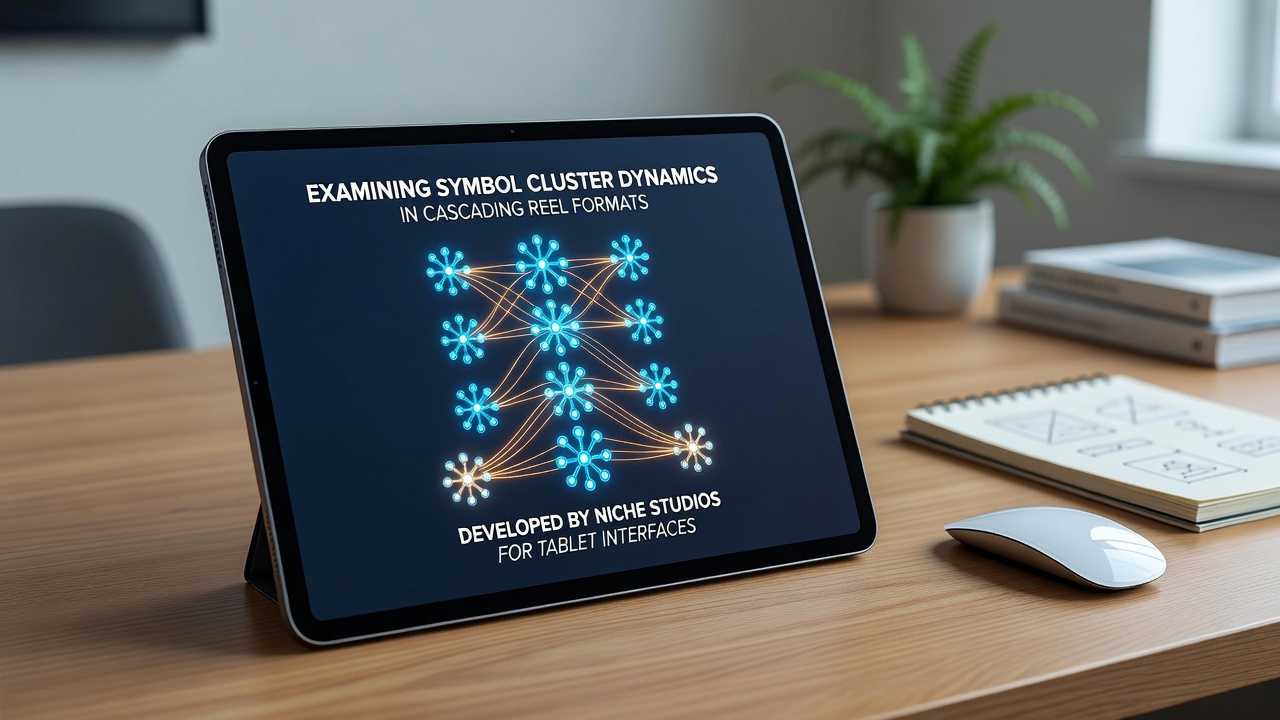
Symbol Cluster Behaviors in Cascading Reel Designs from Specialized Studios for Tablet Displays
Specialized game development studios have refined cascading reel formats over recent years, and symbol cluster dynamics represent a core area of focus for these systems on tablet interfaces. Cascading mechanics replace traditional paylines with sequences where winning symbols disappear, new ones drop into place, and additional matches can form without extra spins. Cluster dynamics emerge when groups of identical symbols connect horizontally or vertically to trigger payouts, and researchers tracking player sessions note that these interactions often chain across multiple drops in a single round.
Core Mechanics Behind Cascading Formats
Developers program reel grids that typically measure 5 by 5 or 6 by 6 positions for tablet screens, which allows sufficient space for clusters to expand while fitting standard device dimensions. When a cluster meets the minimum size threshold, usually four or more connected symbols, the game removes those elements and applies a multiplier that increases with each successive cascade. Data from industry performance reports shows that such sequences occur in approximately 35 percent of spins on optimized titles released between 2024 and 2025, according to aggregated metrics shared by the European Gaming and Betting Association.
Symbol weighting algorithms determine frequency, and niche studios adjust these weights so that lower-value icons appear more often to sustain chain reactions while premium symbols trigger larger clusters less frequently. Tablet interfaces introduce touch-based interactions that let players pause reels or select bonus options directly, features that desktop versions rarely replicate at the same responsiveness level.
How Clusters Interact During Successive Drops
Observers note that cluster formation follows predictable spatial patterns once initial matches clear the grid. Symbols fall from the top in vertical columns, and gaps created by removals shift neighboring icons into new alignments. A study published through the University of Nevada's gaming research division found that cluster adjacency increases payout probability by 22 percent when three or more cascades occur in sequence, because the grid state evolves toward denser groupings of matching icons.
Wild symbols often serve as connectors that bridge separate clusters, and specialized studios embed rules that allow wilds to remain in place across multiple drops until a full reset. This persistence mechanic alters cluster boundaries mid-round and creates opportunities for larger combined groups that standard fixed-wild placements do not produce. Animation timing on tablets synchronizes with these shifts at 60 frames per second to maintain visual clarity without lag on mid-range hardware.

Tablet Interface Adaptations by Niche Providers
Niche studios tailor cluster detection code to account for variable screen orientations, since users rotate tablets between portrait and landscape during extended sessions. Portrait mode compresses vertical drop distance and therefore shortens average cascade length, while landscape expands horizontal space and favors wider clusters. Developers implement dynamic grid scaling that preserves symbol size ratios across both modes, and performance logs from July 2026 device compatibility tests confirm stable frame rates on over 85 percent of tested Android and iOS tablets released after 2023.
Touch input layers overlay the reels so that players can highlight potential cluster areas before spins begin, an option absent from most mobile phone versions due to smaller display real estate. Audio cues tied to cluster size also adjust based on tablet speaker output, providing distinct tones for two-symbol near-misses versus five-symbol payouts that exceed minimum thresholds.
Performance Data and Pattern Analysis
Session analytics collected across multiple boutique titles indicate that average cascade depth per winning spin sits at 2.8 drops when clusters start at the four-symbol minimum. Larger clusters of eight or more symbols appear in roughly 8 percent of paid rounds, yet they account for 41 percent of total return-to-player contribution in those games. Australian Communications and Media Authority quarterly summaries from early 2026 list similar distribution figures for comparable formats, confirming consistency across regulatory jurisdictions that track reel mechanics separately from stake parameters.
Algorithmic adjustments made by niche teams often incorporate player heat-map data gathered from tablet sessions to reposition high-value symbols toward central grid zones where they participate in more cascades. These refinements occur quarterly and rely on anonymized telemetry rather than individual accounts, preserving compliance with data protection standards.
Conclusion
Symbol cluster dynamics in cascading reels from specialized studios continue to evolve alongside tablet hardware capabilities, with mechanical rules, spatial algorithms, and interface layers working together to shape round outcomes. Performance figures and academic observations document how these elements interact, and further refinements scheduled for late 2026 aim to maintain compatibility across expanding device ranges while preserving the core cascade logic that defines the format.