Symbol Shuffle Dynamics Reshaping Outcomes in High-Volatility Reel Games on Handheld Devices
Viktor Koch · Jun 9, 2026
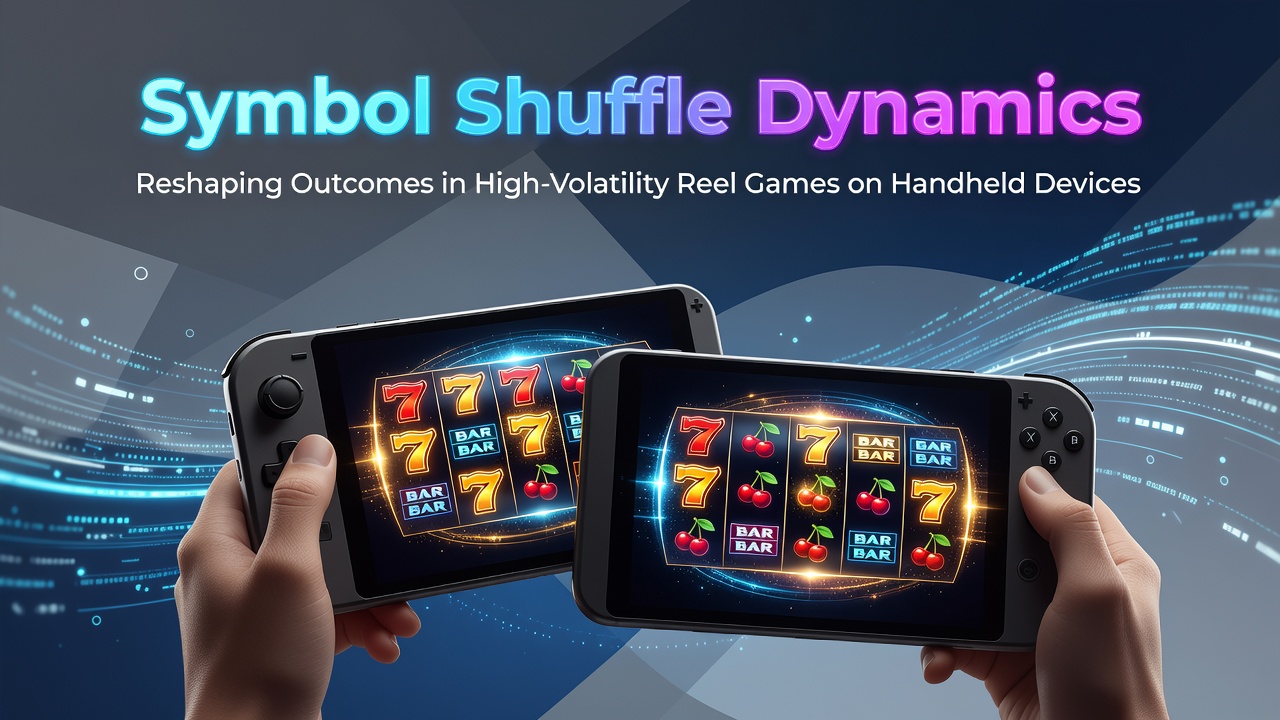
Symbol Shuffle Dynamics Reshaping Outcomes in High-Volatility Reel Games on Handheld Devices
Symbol shuffle mechanics continue to influence gameplay patterns across high-volatility reel games accessed on handheld devices, where random rearrangements of symbols occur mid-spin or between cascades to alter potential payout structures. Data from industry tracking services indicates that these features appear in an increasing number of titles released through 2025 and into June 2026, particularly those designed for mobile platforms with touch-screen controls. Players encounter these systems in games featuring reel expansions, where symbols shift positions to create new combinations after initial stops.
Mechanics Behind Symbol Shuffles in Mobile Environments
Developers integrate symbol shuffle protocols that activate under specific conditions such as near-miss detections or bonus triggers, allowing the game engine to reposition icons without requiring a full re-spin. On handheld devices this process relies on optimized rendering to maintain frame rates above 60 frames per second, preventing lag during rapid rearrangements. Research from the University of Nevada, Las Vegas gaming laboratory shows that shuffle algorithms often tie into random number generators certified by independent testing agencies, ensuring outcomes remain unpredictable while introducing visual variety that extends session engagement.
High-volatility titles benefit from these mechanics because they concentrate larger wins into fewer successful sequences, and shuffles provide additional opportunities for alignment without changing the underlying return-to-player percentages. Figures from the Nevada Gaming Control Board for fiscal year 2025 reveal that mobile slots incorporating shuffle elements accounted for approximately 18 percent of total handle in regulated markets, a rise from prior years when static reel configurations dominated.
Impact on Player Outcomes and Session Dynamics
Observers note that symbol shuffles frequently convert partial wins into full combinations or extend bonus rounds by refreshing the reel grid, which can shift the distribution of smaller versus larger payouts within a single game. In high-volatility environments the added layer means that sessions on handheld devices may feature extended dry spells punctuated by sudden clusters of wins once a shuffle activates. Tracking data collected across multiple operators demonstrates that games with shuffle features maintain similar overall volatility ratings to traditional setups, yet the timing of payouts feels more variable to users.
Handheld hardware constraints influence how these systems display, with developers limiting the number of simultaneous symbol movements to preserve battery life and reduce heat generation. Studies conducted by the Canadian Centre for Gaming Research indicate that players on mobile devices interact with shuffle-enabled games for average sessions of 12 to 18 minutes, slightly longer than comparable titles lacking the feature. The difference arises because the visual feedback during shuffles encourages continued play while the mathematical model stays unchanged.
Regulatory Context and Technical Standards in June 2026
By June 2026 several jurisdictions outside the United Kingdom have updated technical standards to address transparency around shuffle mechanics, requiring clear disclosure of how rearrangements affect probability tables. The New Jersey Division of Gaming Enforcement mandates that operators display explanations within game rules when shuffles modify reel strips mid-round. Similar guidelines from the Australian Communications and Media Authority emphasize that mobile implementations must undergo the same certification processes as desktop versions to prevent discrepancies in outcome fairness.
Industry organizations such as the American Gaming Association have compiled reports showing that shuffle features appear across both land-based converted titles and native mobile releases, with adoption rates climbing steadily since 2024. These reports highlight that the technology remains compatible with existing random number generator certifications, avoiding the need for separate approval pathways in most regulated markets.
Examples from Current High-Volatility Mobile Titles
Take one game series where expanding reels trigger symbol shuffles that reposition wild icons into winning lines, creating chains that multiply base bet returns by factors ranging from 8x to 50x. Another example involves cluster-pay formats on handheld screens where adjacent symbols reshuffle after each cascade, sustaining momentum until no further matches form. Data collected by independent analytics firms shows these titles generate higher per-spin engagement metrics compared to non-shuffle counterparts in the same volatility bracket.
Those who have examined mobile slot libraries observe that providers release updates incorporating shuffle variants approximately every quarter, often aligning launches with seasonal promotions. In June 2026 several new entries entered the market featuring hybrid shuffle systems that combine random repositioning with player-initiated holds, though the core randomness stays governed by certified algorithms.
Conclusion
Symbol shuffle dynamics continue to integrate into high-volatility reel games on handheld devices through certified technical implementations that maintain mathematical integrity while altering visual and timing elements of play. Reports from regulatory bodies and research institutions confirm that adoption has increased without shifting overall return profiles, and mobile-specific optimizations ensure consistent performance across devices. As of June 2026 the pattern shows ongoing refinement of these mechanics within established industry standards.