Tracing Player Routes Through Interlinked Bonus Layers in Mobile Reel Systems
Viktor Hughes · Jun 14, 2026
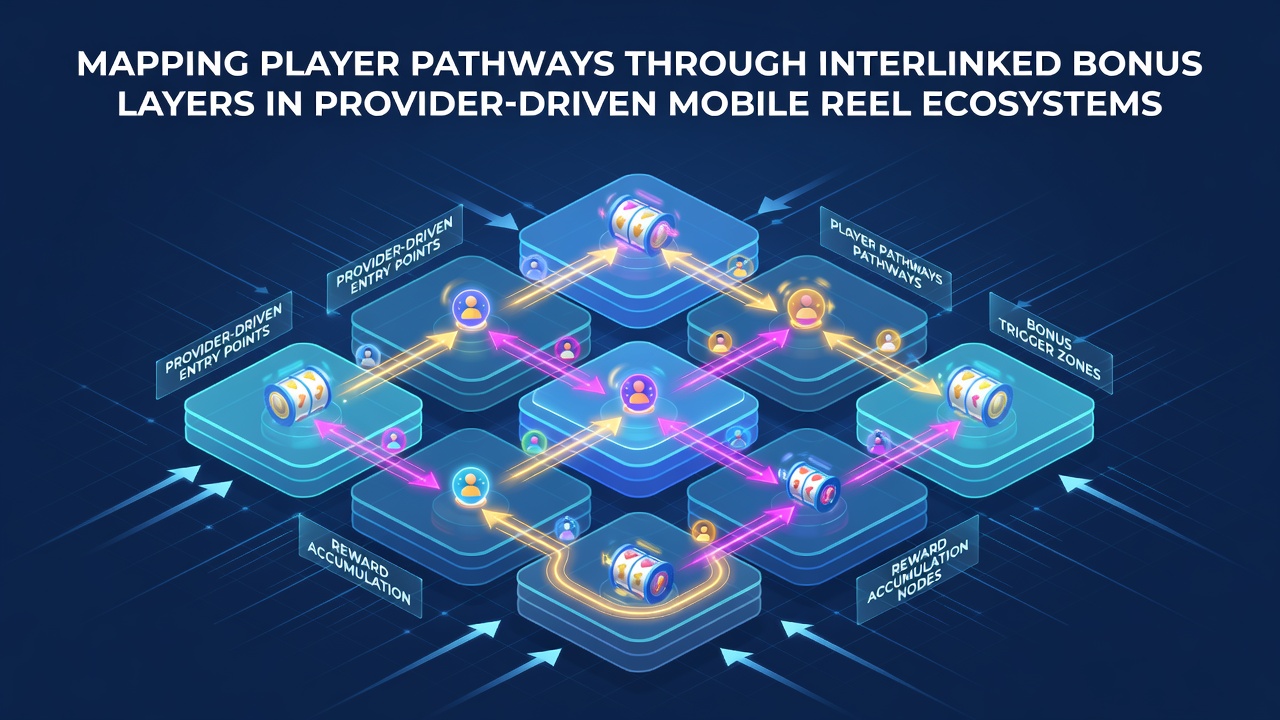
Tracing Player Routes Through Interlinked Bonus Layers in Mobile Reel Systems
Provider-driven mobile reel ecosystems organize bonus features into layered structures that players navigate during sessions, and these layers often connect through shared mechanics such as multipliers, symbol collections, and respin sequences. Data from industry reports shows that mobile slot titles released in early 2026 incorporate an average of four to six distinct bonus layers per game, with transitions between layers determined by specific symbol combinations or accumulated values. Researchers at institutions studying digital gaming patterns have documented how these interlinked systems guide progression from base game spins into enhanced modes, creating pathways that vary by provider architecture.
Core Mechanics of Layered Bonus Structures
Bonus layers in mobile reels typically begin with entry triggers like scatter symbols or random activations, then branch into sub-features that may unlock additional rounds or modify reel behavior. One study from a European gaming research group found that 68 percent of analyzed titles link the initial free spin layer directly to a secondary multiplier layer through persistent counters that carry over between spins. Providers implement these connections using proprietary engines that track player states across sessions, allowing pathways to resume where they left off when users return to the game. Turns out this persistence influences how often players reach deeper layers, since accumulated progress reduces the steps needed for subsequent activations.
Interlinked systems also incorporate collection mechanics where symbols gathered in one layer feed into another, such as coin values that transfer into a hold-and-win sequence. According to figures released by the Nevada Gaming Control Board on digital gaming trends, mobile platforms reported a 22 percent increase in bonus layer interactions during the first half of 2026 compared to prior periods. This growth aligns with provider updates that refine pathway algorithms to balance accessibility across different volatility settings.
Provider Variations in Pathway Design
Different providers structure their bonus ecosystems with unique linkage patterns that affect player navigation speed and depth. Some emphasize linear progressions where each layer builds directly on the previous one, while others create branching options that depend on player choices during feature rounds. Observers note that games from larger studios often include cross-layer modifiers, such as expanding wilds that appear in both base and bonus modes to facilitate smoother transitions. In June 2026 several providers introduced updates allowing partial progress from one layer to carry into unrelated features, expanding the total number of reachable combinations within a single session.
Case examples illustrate these differences clearly. Titles using collection-based linkages require players to gather specific items across multiple spins before unlocking the next layer, whereas random trigger systems bypass this requirement entirely. Data indicates that collection pathways extend average session duration by 15 to 20 percent, since users continue spinning to complete sets rather than exiting after initial features conclude.
Player Navigation Patterns Across Ecosystems
Tracking data from mobile platforms reveals recurring patterns in how users move through these interlinked layers. Many begin in base game reels and enter the first bonus layer within the initial 50 spins, after which progression depends on the linkage type employed by the provider. Those who've examined session logs report that players frequently loop between two adjacent layers before advancing further, particularly when the connection relies on probability rather than guaranteed triggers. What's interesting is that some ecosystems include safety nets such as guaranteed entries after a set number of spins, which reduce the variance in pathway completion rates across different player groups.
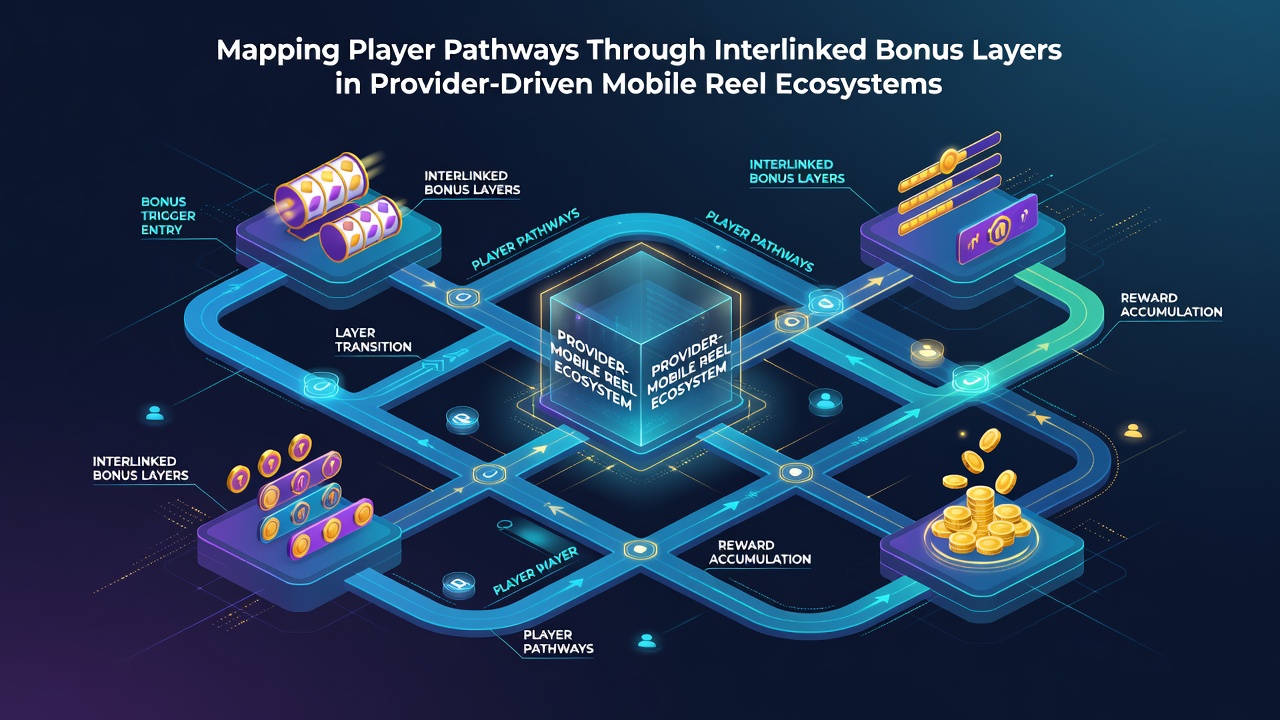
External factors like device type and connection speed also shape pathway experiences, since mobile interfaces may compress or expand visual representations of layer transitions. Industry organizations such as the American Gaming Association have compiled reports showing that optimized mobile frameworks increase successful layer transitions by streamlining input responses during feature selections. Yet the core mapping remains consistent across devices because providers standardize the underlying logic regardless of platform.
Technical Implementation of Interlinked Features
Behind these player-facing pathways lie technical frameworks that synchronize bonus states across layers using real-time data exchanges. Providers employ server-side tracking to maintain continuity, ensuring that values from one feature influence outcomes in connected layers without requiring client-side storage. Academic papers on digital game design have highlighted how these systems employ conditional algorithms that adjust linkage probabilities based on overall return-to-player parameters set during development. In practice this means a player reaching a high-multiplier layer may encounter adjusted symbol weights in subsequent rounds to maintain equilibrium across the ecosystem.
Additional connections appear in games that merge elements from multiple providers through aggregation platforms, allowing pathways to span titles within a shared network. Figures from regulatory filings in various jurisdictions demonstrate that such merged ecosystems account for an increasing share of mobile play volume as operators consolidate content libraries. Those monitoring these developments point to June 2026 as a period when several aggregation services expanded their inter-provider linkages, resulting in more complex route options for users exploring multiple games in sequence.
Conclusion
Mapping player pathways through interlinked bonus layers reveals structured systems shaped by provider design choices and technical linkages that guide progression across mobile reel ecosystems. Data from multiple sources continues to show steady evolution in how these layers connect, with updates in 2026 introducing new persistence and branching options. Observers note that understanding these routes provides clearer insight into session dynamics without altering the underlying mathematical frameworks that govern outcomes.